
Dreams/ Nightmares

When I was a kid, I often wondered what my dreams meant. It is most peculiar that the world we see as kids is vastly different from the world we see as adults, even though, objectively speaking, the world around us is the same.
We used to be terrified of different concepts and ideas. I was afraid of quicksand and the Bermuda Triangle, even though I know now that I will never see or experience such natural phenomena. As kids, we were afraid of such concepts because they seemed a lot closer to us than they actually were.
I was riddled with panic because of the thought of an active volcano, dinosaurs, or other carnivorous animals. Nightmares had a similar effect on me.
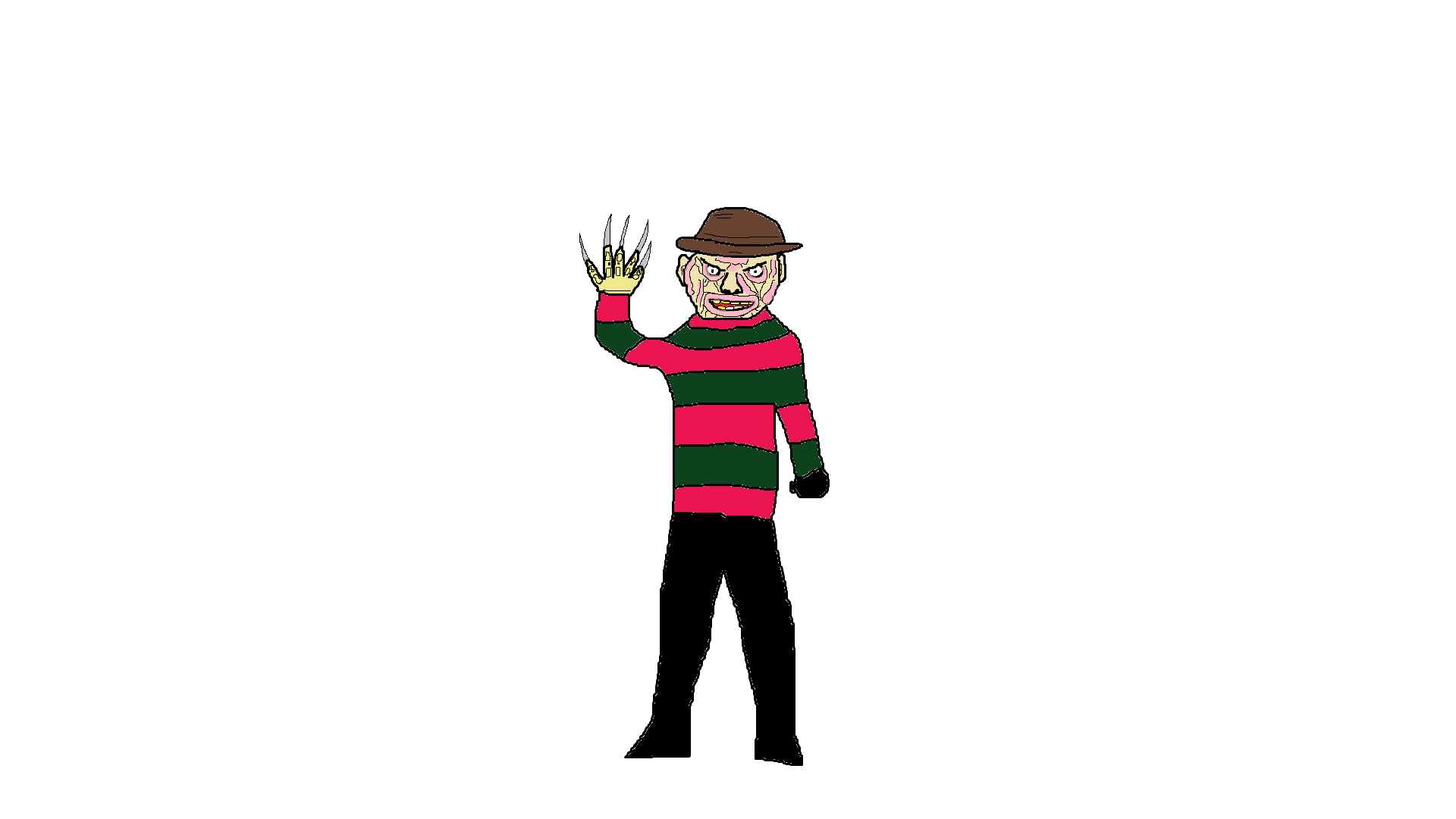
The feeling of being chased through a deep, dark forest was the worst way to spend the night. Monsters of all kinds, spirits, ghosts, vampires, and zombies were often the main antagonistic force in my dreams. But one kind of nightmare was particularly terrifying to me as a child.
More often than not, I remember dreaming about a certain family member calling me inside for dinner, but as soon as I stepped into the hallway, their face became a distorted mess of flesh and blood, effectively turning into a monster in front of my eyes. The same dream repeated, and as a defense mechanism, I learned to never respond to calls from inside the house.
I remember that I became lucid during those dreams, and always chose to opt out of the callings and instead fall asleep on the street, and the dream would end. Even though I never succeeded in starting my dream in a lucid state, I would often become lucid to better escape or fight some evil situation brought on by my dreams.
I remember that I would purposely commit suicide in order to wake up, like jumping off a building or drowning myself in a pool. In my teens, other types of nightmares would emerge. The pure terror was replaced by embarrassment.
Imagine hearing the bell ringing and hastily entering the classroom ready for your school day. Just as you prepare to present your work to your colleagues, you suddenly realize that you are completely naked, from the waist down. Most of us had this exact dream, or at least a similar dream, in one form or another.
As we come into adulthood, we dream less and less. We no longer fear monsters, or at least not fictional ones, and we feel more confident in our everyday lives, so embarrassment loosened its grip on us.
But from time to time, we still have nightmares.
Nightmares of adulthood are even stranger than those of kids or teens. We dream of something bad, but cannot exactly pinpoint the problem we have to solve. There is no monster and no embarrassment to conquer. There is only this vague anxiety looming over us, basically telling us that something is wrong.
But as I kept thinking about dreams, I started wondering why that happens. Not just emotionally or symbolically, but biologically. What’s going on in our brains at different stages of life that causes our dreams to shift so drastically? Turns out, there’s some science behind all of this.
In childhood, our dreams are vivid, emotional, and often surreal. Monsters, flying, and being lost are the most common themes. This is partly because a child’s brain is still under construction. The prefrontal cortex, the part of the brain responsible for logic, planning, and self-awareness, is not fully developed yet. That’s why dreams in childhood don’t necessarily follow the rules of reality. There’s less filtering and less questioning of what’s “possible.”
Children also experience more REM sleep than adults, which is the sleep stage most associated with vivid dreaming. Their brains are hyperactive during REM, processing not only the day’s events but also laying down foundational emotional and memory circuits. It makes sense that these dreams are intense. The emotional part of the brain, the amygdala, is firing away, while the more rational parts of the brain are still quiet.
As we move into adolescence, the brain undergoes major reconstruction. The limbic system (the brain's emotional center) goes into overdrive, while the prefrontal cortex is still trying to catch up. This imbalance helps explain why teen dreams start to focus less on external monsters and more on internal fears like embarrassment, shame, identity, and self-image.
That classic dream of showing up to school naked? That’s your brain working overtime on social anxiety. Dreams in our teen years often center around belonging, appearance, and fear of being judged. The brain is deep in the process of defining "self" and understanding how we fit into the world around us. It’s chaotic. So are the dreams.
Then we hit adulthood. The brain is fully developed, with the prefrontal cortex finally in charge, kind of. Our dreams reflect this shift. They become more structured, but also less intense in terms of raw fantasy. Dreams in adulthood often reflect stress, responsibility, and existential uncertainty. The hippocampus, the brain’s memory center, works with the default mode network to create dream narratives that blend memory fragments, emotions, and ongoing concerns. But unlike childhood dreams, adult dreams are less cinematic and more psychological. Less about what’s happening to us, and more about how we feel about what’s happening.
This might also be why adult nightmares are harder to interpret. They don’t yell; they whisper. And the whisper often comes from a very deep, unresolved place.
Summary:
As a child, my dreams were vivid and fantastical, often filled with monsters and irrational fears. These early nightmares are shaped by an underdeveloped prefrontal cortex and a hyperactive emotional brain, especially the amygdala, during REM sleep.
During my teenage years, the themes of my dreams shifted. The pure terror was replaced by embarrassment and social anxiety, like the classic dream of being naked at school. This made sense, considering how my emotional brain (the limbic system) was in overdrive while the rational part was still catching up.
Now, as an adult, my dreams are quieter but more abstract. There are no more monsters, just a vague sense that something is wrong. These dreams reflect stress, responsibility, and a deeper kind of anxiety, formed by a brain that’s more developed, yet constantly juggling memory, emotion, and concern.